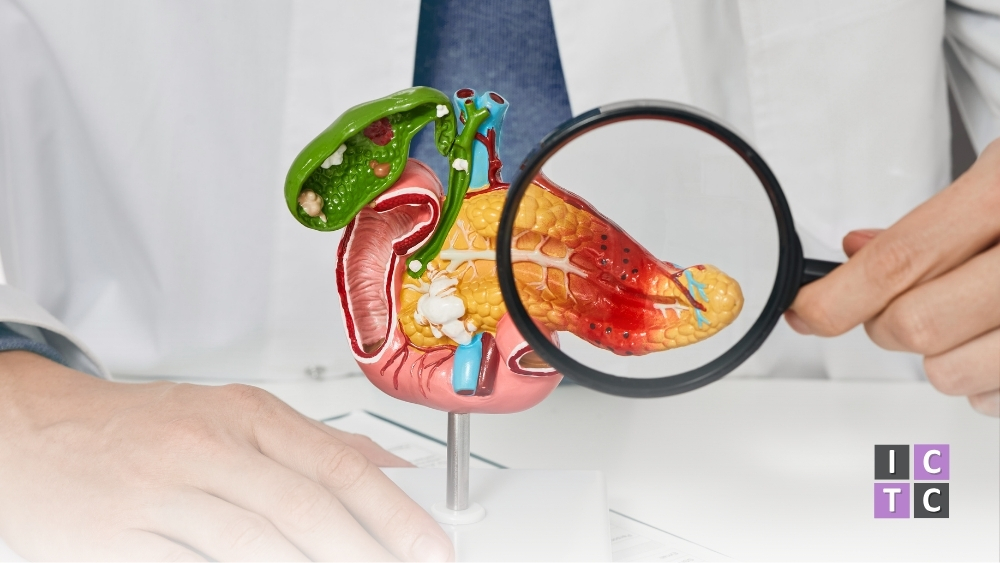
Pancreatic Cancer Awareness Month: Fight the Silence with ICTC Cancer Centre
By ICTC
Pancreatic cancer—often referred to as the “silent killer”—is one of the most aggressive and difficult cancers to detect in its early stages. During Pancreatic Cancer Awareness Month, ICTC Cancer Centre remains committed to educating individuals about early warning signs, risk factors, diagnosis, and the importance of timely cancer treatment.
Early recognition can save lives. When pancreatic carcinoma is detected at an advanced stage, treatment becomes more complex. Awareness is the first and most powerful step toward improving survival outcomes.
Why Pancreatic Cancer Needs Urgent Attention
Pancreatic cancer is often diagnosed late because its symptoms are vague and develop gradually. Early discomfort is frequently mistaken for acidity or routine digestive issues. Understanding subtle warning signs can dramatically change the course of treatment and improve outcomes.
Fight the Silence – Pancreatic cancer may not show dramatic symptoms initially, making awareness essential.
Facing the Unseen – The disease grows quietly, often unnoticed until advanced stages.
Change the Course – Early detection significantly improves treatment options and survival rates.
Symptoms of Pancreatic Cancer
If you or a loved one experiences any of the following symptoms, it is important to consult an oncologist. These signs may be associated with pancreatic cancer, pancreatic tumors, or other gastrointestinal cancers.
Persistent abdominal pain radiating to the back or sides
Loss of appetite
Unexplained weight loss
Jaundice (yellowing of skin or eyes)
Light-colored, greasy, or floating stools
Dark-colored urine
Persistent itching
New-onset diabetes or sudden difficulty controlling existing diabetes
Pain or swelling in arms or legs (possible blood clots)
Chronic fatigue and weakness
Not everyone experiences all symptoms. Even mild or persistent discomfort should not be ignored, as early medical evaluation can be life-saving.
Why Early Detection Matters
Pancreatic cancer often becomes symptomatic only after it has progressed. With advanced imaging, tumor profiling, and targeted therapies available at ICTC Cancer Centre, early detection allows oncologists to design the most effective, personalized treatment plan.
Early detection leads to better treatment options, improved quality of life, and higher chances of survival.
Pancreatic Cancer Treatment at ICTC Cancer Centre
ICTC Cancer Centre is recognized for its expertise in gastrointestinal oncology, hepatobiliary cancers, and advanced pancreatic cancer management. Patients receive comprehensive, multidisciplinary care under one roof.
Early diagnostic evaluation using CT scans, MRI, and endoscopic ultrasound
Expert consultation with experienced gastrointestinal oncologists
Personalized treatment planning based on cancer stage and tumor biology
Chemotherapy, targeted therapy, radiation therapy, and surgical options
Supportive care including nutrition counseling, diabetes management, and palliative care
ICTC’s Role in Pancreatic Cancer Awareness
This awareness month is about more than information—it is about empowering people to take action. ICTC Cancer Centre actively promotes early detection, symptom awareness, and screening guidance for high-risk individuals.
Conducting cancer awareness and education sessions
Providing counseling for high-risk individuals and families
Offering advanced imaging and early diagnostic services
Ensuring timely access to oncology specialists
Pancreatic cancer may be silent, but awareness should never be. This Pancreatic Cancer Awareness Month, take charge of your health. If you notice symptoms—or simply seek clarity—consult the experts at ICTC Cancer Centre. Early detection can save lives.