Made-in-India CAR-T Therapy Shows Encouraging Long-Term Results: What This Means for Blood Cancer Care
By ICTC
Made-in-India CAR-T Therapy Shows Encouraging Long-Term Results: What This Means for Blood Cancer Care
Cancer treatment is entering an exciting new era, and India is increasingly becoming part of that transformation.
A recent real-world multicentre study of NexCAR19, India’s indigenous CAR-T cell therapy, has reported encouraging outcomes in patients with difficult-to-treat B-cell blood cancers. The study, involving 250 patients across 56 centres, provides important evidence about the potential of homegrown cellular therapy in patients whose cancers have returned or stopped responding to conventional treatments.
For ICTC, the development has an added significance. The study highlights the journey of a patient treated under the care of Dr. Kunal Goyal, Lead BMT & Cellular Therapy Physician at ICTC, making it a meaningful example of how advanced cellular therapies are being used in challenging real-world cases.
What is CAR-T Cell Therapy?
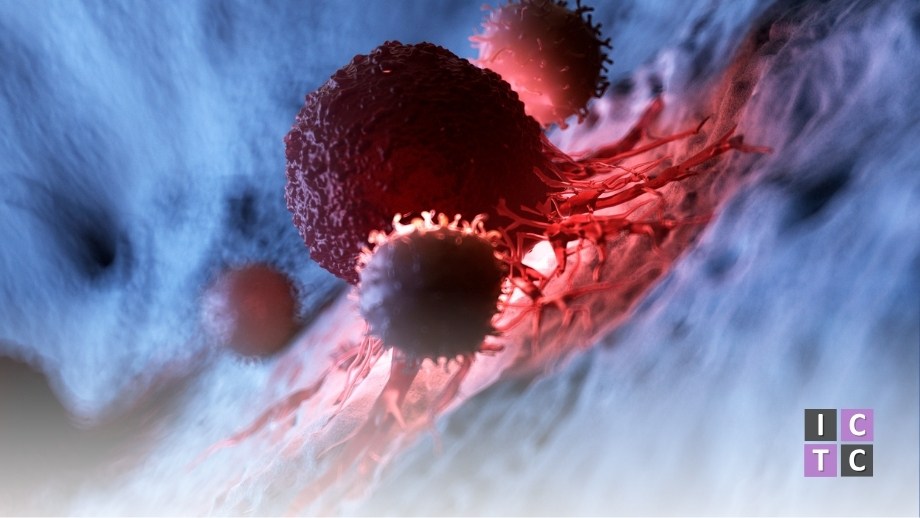
CAR-T cell therapy is a form of personalized cancer treatment that uses a patient's own immune cells.
T cells are collected from the patient's blood and genetically modified in a laboratory to carry a special receptor called a chimeric antigen receptor, or CAR. These modified cells are then expanded and infused back into the patient, where they can recognize specific markers on cancer cells and attack them.
Unlike conventional medicines that are manufactured as a fixed drug, CAR-T is often described as a "living therapy" because the patient's own immune cells are engineered to fight the cancer.
NexCAR19: India's Homegrown CAR-T Therapy
NexCAR19, also known as actalycabtagene autoleucel, is India's first commercially approved CAR-T cell therapy. It was developed by ImmunoACT, an IIT Bombay spin-off, in collaboration with Tata Memorial Hospital.
The therapy received regulatory approval in India in October 2023 for relapsed or refractory B-cell malignancies. Its development has been particularly significant because CAR-T therapies have historically been associated with very high costs and limited accessibility.
NexCAR19 has been developed with the aim of making advanced cellular therapy more accessible in India and other resource-limited settings.
What Did the New Study Find?
The recent real-world study evaluated 250 patients with difficult-to-treat B-cell cancers across 56 treatment centres.
Among patients with relapsed or refractory B-cell acute lymphoblastic leukemia, 88% experienced significant cancer reduction or clearance within 28 days of receiving NexCAR19. More than half remained free from disease progression at 12 months.
In relapsed or refractory B-cell non-Hodgkin lymphoma, approximately three-quarters of patients responded within 28 days, while 47% remained free from disease progression at one year. The reported overall survival at 12 months was 63%.
These findings are important because they come from real-world clinical practice rather than a small early-stage clinical trial, providing additional insight into how CAR-T therapy performs across multiple centres and patient populations.
Importantly, the study does not mean CAR-T therapy works for every patient. Patient selection, disease characteristics, previous treatments, overall health, and other clinical factors all influence whether CAR-T is appropriate.
A Patient Journey Under Dr. Kunal Goyal
One of the patients highlighted in the report had an aggressive B-cell lymphoma that had spread to the central nervous system after an initial remission with chemotherapy. The disease subsequently stopped responding to further treatment.
The patient travelled approximately 14,000 kilometres to receive CAR-T therapy under the care of Dr. Kunal Goyal, Lead BMT & Cellular Therapy Physician at ICTC.
In October 2024, the patient received NexCAR19. According to the report, the treatment was well tolerated without major side effects, and scans performed 28 days later showed no detectable signs of cancer. The patient has remained cancer-free for approximately two years.
This is particularly noteworthy because lymphoma involving the central nervous system can present significant treatment challenges. The patient's response adds to the growing clinical experience around how CAR-T therapy may be used in complex cases.
While one patient's outcome cannot predict what will happen in another patient, such experiences contribute to the expanding understanding of cellular therapy in difficult-to-treat blood cancers.
Making Advanced Cancer Care More Accessible
One of the most important aspects of India's CAR-T journey is accessibility.
The New Indian Express reports that NexCAR19 costs less than ₹30 lakh in India, compared with more than $350,000 for some CAR-T therapies globally. This substantial difference has the potential to make cellular therapy accessible to a much larger number of patients.
Earlier reporting by Nature similarly highlighted the potential of India's homegrown CAR-T approach to reduce the cost barrier associated with these therapies.
Affordability, however, is only one part of access. CAR-T therapy requires specialized infrastructure, trained teams, appropriate patient selection, cell collection and manufacturing, infusion capabilities, and close monitoring for potential complications.
Building this ecosystem is essential for ensuring that innovation translates into meaningful patient care.
What Does This Mean for Patients?
For patients with relapsed or refractory B-cell blood cancers, CAR-T therapy can represent an important treatment option when conventional approaches have stopped working or when the disease has returned.
However, CAR-T therapy is not appropriate for every blood cancer or every patient. Eligibility depends on factors such as the exact cancer diagnosis, disease status, previous treatments, biomarkers, overall health, and the patient's ability to undergo the treatment process.
A specialist evaluation is therefore essential before considering CAR-T therapy.
The Future of Cellular Therapy
The field of CAR-T therapy is continuing to evolve rapidly.
Researchers are studying ways to improve the durability and safety of CAR-T treatments, expand their use to additional blood cancers, and potentially explore applications beyond cancer.
The growing availability of real-world data from India is particularly valuable. It demonstrates how advanced cellular therapies can move from highly specialized clinical settings into broader healthcare systems.
For India, the story of NexCAR19 represents more than a new treatment. It reflects the growing potential of Indian research, biotechnology, clinical expertise, and healthcare infrastructure to contribute to the next generation of cancer care.
For patients and families facing difficult-to-treat blood cancers, these developments offer something equally important: more treatment possibilities and new reasons for hope.
Read the Full Story
The New Indian Express recently reported on the study and highlighted the patient treated under the care of Dr. Kunal Goyal.