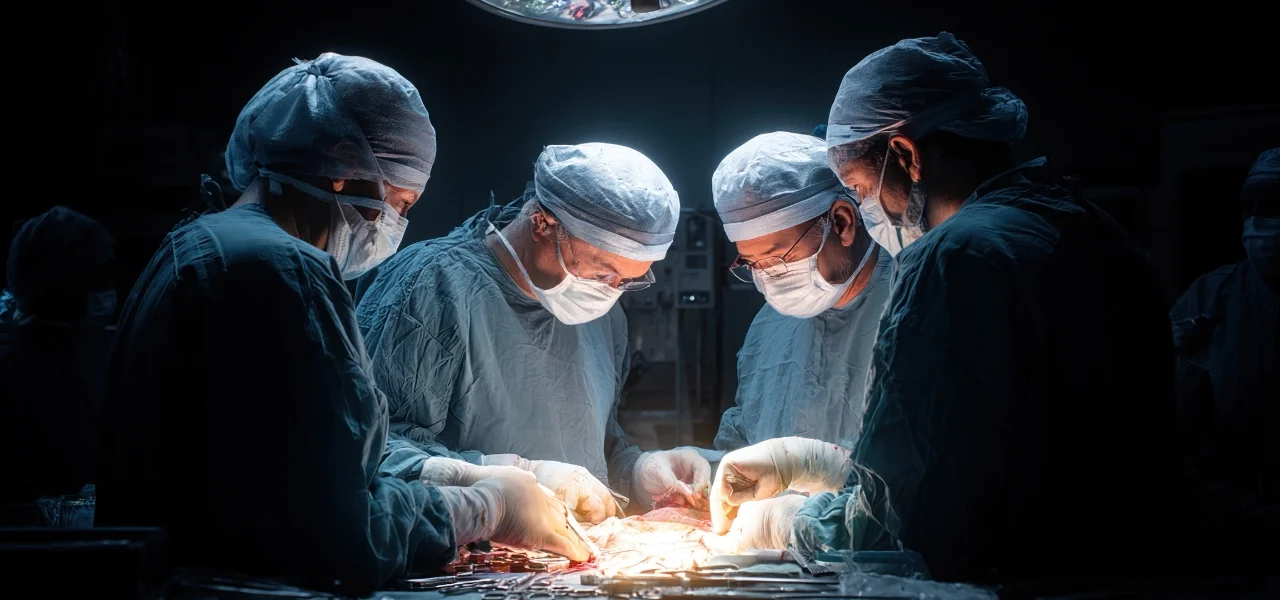
Surgical Oncology
Surgical oncology is a core cancer treatment specialty focused on the diagnosis, staging, and removal of cancer through surgery. It plays a critical role in early-stage cancers, helps relieve symptoms in advanced disease, and is often combined with chemotherapy, radiation therapy, or other treatments for optimal outcomes.

Overview
Surgical oncology involves removal of tumors and surrounding tissues.
It is used for diagnosis, staging, treatment, and symptom relief.
Surgery is often the primary treatment for localized cancers.
Advanced techniques allow precise tumor removal while preserving healthy tissue.
Multidisciplinary planning ensures safe and effective surgical care.
Role Of Surgical Oncologist
Confirms cancer diagnosis through biopsy and surgical evaluation.
Determines cancer stage during surgery.
Removes primary tumors and affected lymph nodes.
Performs reconstructive procedures when required.
Collaborates with medical and radiation oncologists for comprehensive care.
Types Of Cancer Surgery
Curative Surgery
Aims to completely remove cancer from the body.
Most effective in early-stage cancers.
Often followed by additional therapy to reduce recurrence risk.
Debulking Surgery
Removes as much tumor as possible when complete removal is not feasible.
Helps improve effectiveness of chemotherapy or radiation therapy.
Commonly used in ovarian and advanced abdominal cancers.
Palliative Surgery
Relieves symptoms caused by tumors.
Improves comfort and quality of life.
Does not aim to cure cancer.
Preventive Surgery
Removes tissue at high risk of developing cancer.
Used in patients with inherited cancer risk.
Helps reduce future cancer occurrence.
Surgical Techniques
Open Surgery
Traditional approach with a larger incision.
Used for complex or advanced tumors.
Allows direct access to organs and tissues.
Minimally Invasive Surgery
Includes laparoscopic and robotic-assisted surgery.
Uses small incisions and specialized instruments.
Leads to faster recovery and less postoperative pain.
Reconstructive Surgery
Restores appearance and function after cancer removal.
Common in breast, head, and neck cancers.
Improves physical and emotional well-being.
Cancers Treated
Overview
Surgical oncology treats a wide range of solid tumors.
Surgery may be used alone or with other treatments.
Examples
Breast Cancer
Head And Neck Cancer
Colorectal Cancer
Lung Cancer
Gastrointestinal Cancers
Gynecological Cancers
Soft Tissue Tumors
Skin Cancer
Treatment Planning
Pre Surgical Assessment
Detailed clinical evaluation and imaging studies.
Biopsy confirmation of cancer.
Assessment of overall fitness for surgery.
Multidisciplinary Approach
Tumor board discussions guide surgical decisions.
Coordination with medical and radiation oncology teams.
Personalized treatment planning.
Perioperative Care
Before Surgery
Pre-anesthesia evaluation and blood tests.
Patient counseling and consent.
Instructions regarding fasting and medications.
After Surgery
Pain management and wound care.
Early mobilization and physiotherapy.
Monitoring for complications.
Benefits
Provides potential cure for early-stage cancers.
Removes bulk of cancer from the body.
Helps relieve cancer-related symptoms.
Allows accurate cancer staging.
Improves effectiveness of additional treatments.

Risks And Limitations
Risk of bleeding or infection.
Postoperative pain and recovery time.
Not suitable for all advanced cancers.
May require additional therapies after surgery.
Post Treatment Care
Regular follow-up visits and imaging.
Monitoring for recurrence.
Rehabilitation and lifestyle guidance.
Dos And Donts
Dos
Follow Pre And Post Surgery Instructions
Maintain Proper Wound Care
Attend Scheduled Follow-Ups
Report Any Unusual Symptoms Early
Donts
Do Not Ignore Postoperative Pain Or Fever
Avoid Heavy Lifting Without Medical Advice
Do Not Skip Follow-Up Appointments